
Children’s bedroom feature
An award-winning play sofa for magical, make-believe days
The quickest way to make a child’s bedroom feel like their very own world? Create a cosy base for imagination. The Zonky Play Sofa is an award-winning, modular soft-play sofa designed for endless re-invention — one day it’s a snuggly den for stories and quiet time, the next it’s a rocket ship, a shop, a taxi, or the stage for a big, brilliant adventure. It’s the kind of piece that invites calm and creativity in equal measure — and makes everyday play feel a little more magical.
Explore Zonky sofas


Kids bedroom ideas should balance imagination with longevity — spaces that feel joyful now, but won’t need a full rethink in a year’s time. From clever storage and hardworking furniture to colour palettes that grow with your child, a well-designed bedroom can be playful, calming and practical all at once.
Whether you’re decorating a toddler’s first room, reworking a shared bedroom, or creating a more grown-up space for older children, thoughtful design makes all the difference. Zoning for sleep, play and study helps rooms feel calmer and more functional, while considered details — lighting ideas, texture, wall colour and artwork — add personality without overwhelming the space.
This hub brings together inspiring kids bedroom ideas, furniture finds, storage solutions and decorating tips to help you create a bedroom that feel warm, characterful and genuinely lived-in — spaces children love spending time in, and adults enjoy looking at too.
Kids’ Bedroom Ideas FAQs
Decorating a kids’ bedroom is all about balancing magic with real life — sleep, storage, and a space that can grow with them. Here are the questions readers ask most often.
How to layout a kids bedroom?
Start by zoning the room into three simple areas: sleep, play, and storage. Position the bed where it feels calm (often the quietest wall), then keep the most open floor space for play. Use vertical storage — shelves, hooks, and tall cupboards — to free up the footprint, and aim for one “drop zone” (a basket or drawers) that makes tidying feel quick rather than endless.
What should a child have in their bedroom?
The essentials are surprisingly simple: a comfortable bed, a soft reading light, practical storage, and one spot that feels personal (a pinboard, picture ledge, or small gallery of their favourites). A cosy rug helps with warmth and acoustics, and a basket for books or toys is often the difference between “lived in” and “chaotic”.
If you’re keeping it streamlined, choose pieces that earn their place: a bed with drawers, a desk that can double as a craft station, and adjustable lighting so the room can shift from bright morning energy to a gentle bedtime glow.
What is the trend in a 2026 kids room?
In 2026, kids’ bedrooms are leaning more “collected” than themed — think softer, calmer colour palettes, tactile materials, and details that feel personal (art prints, handmade touches, and favourite objects on display). Rooms are also being designed to grow with children, with flexible furniture, layered lighting, and storage that makes everyday routines easier.
Wallpaper is still a favourite, but used more thoughtfully: a feature wall, a playful border, or a pattern that feels timeless enough to keep for years rather than months.
How to make a kids bedroom magical?
Magic comes from atmosphere. Layer the lighting (a ceiling light + a bedside lamp + fairy lights or a small wall light), add a canopy, tent, or reading nook, and bring in one imaginative element — a mural, stars on the ceiling, or a bold piece of artwork that sparks stories.
The secret is keeping the “wow” moment balanced with calm basics: soft bedding, a soothing corner for bedtime books, and enough storage that the room still feels peaceful when the day is done.
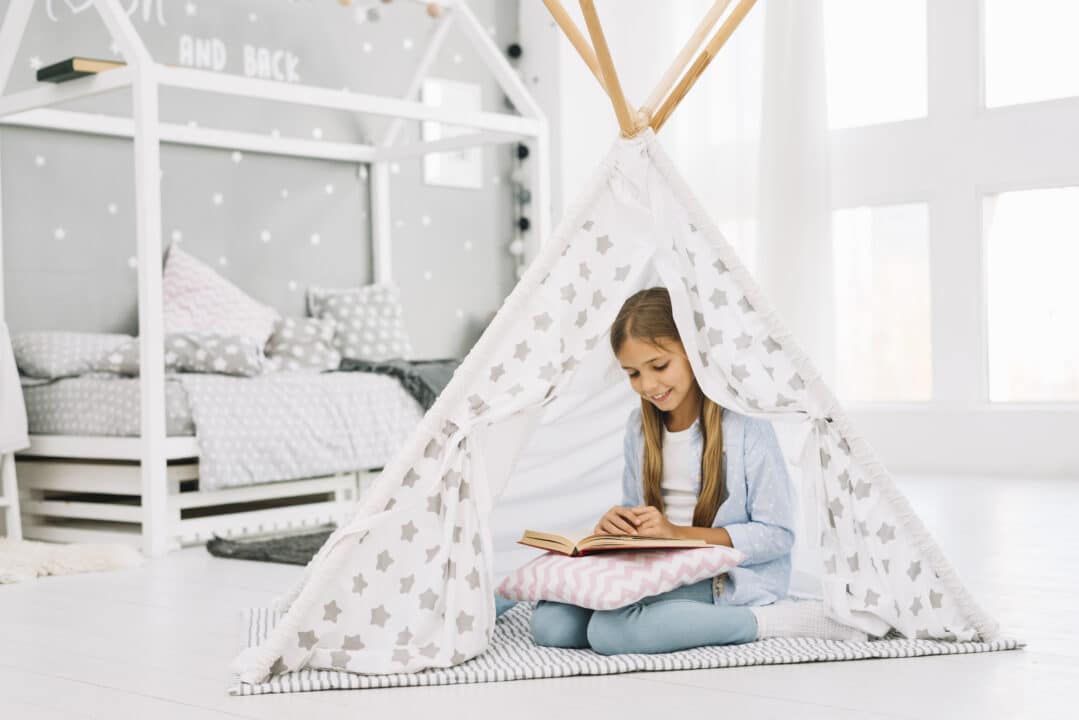

Exciting Girls Bedroom Ideas, that are not Just Pink
When it comes to decorating girls’ bedrooms, the common stereotype is to think pink. While pink remains a timeless and
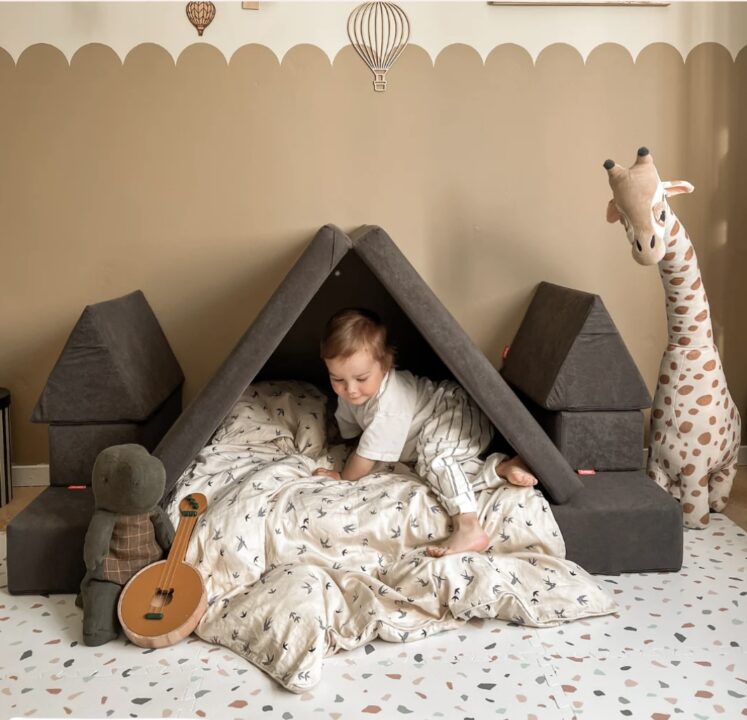

Soft Play Sofa: The Perfect Blend of Fun and Functionality
Finding a balance between practicality and fun in home furnishings can be a challenge, especially for families with young children.
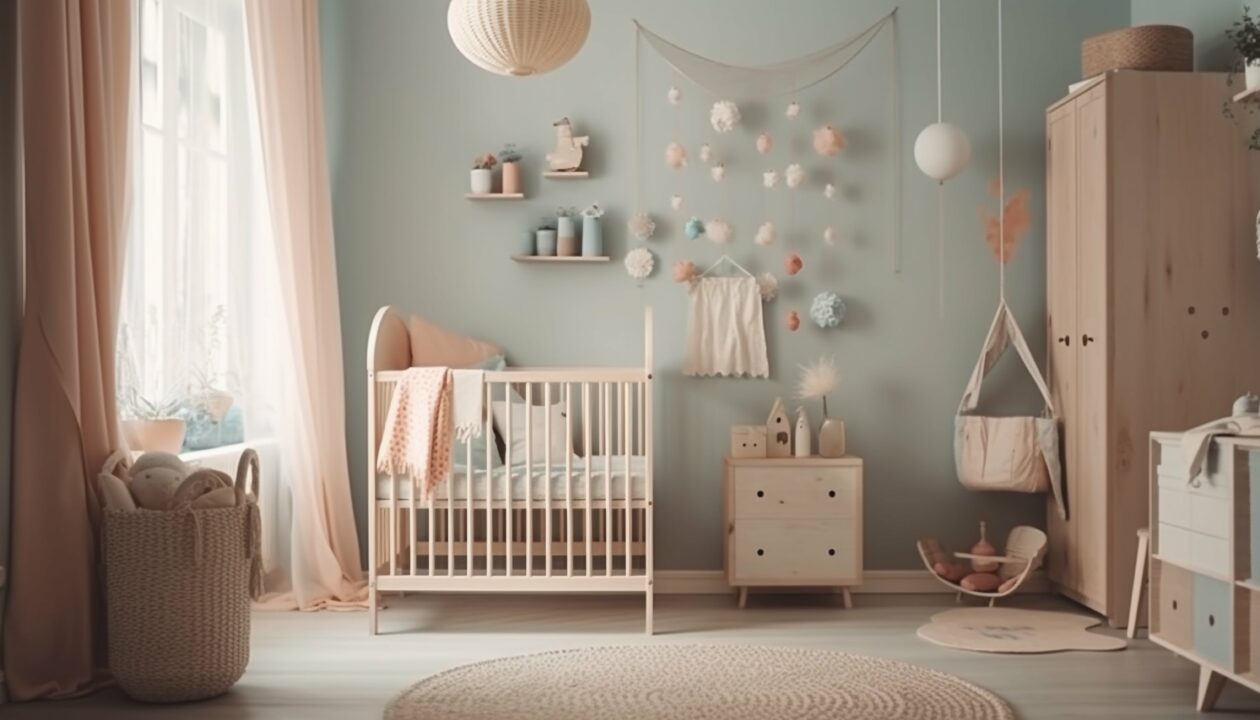

Decor for Nursery Rooms
Baby Nursery Room Decor: Creating a Warm and Welcoming Space for Your Little One The nursery room holds a special
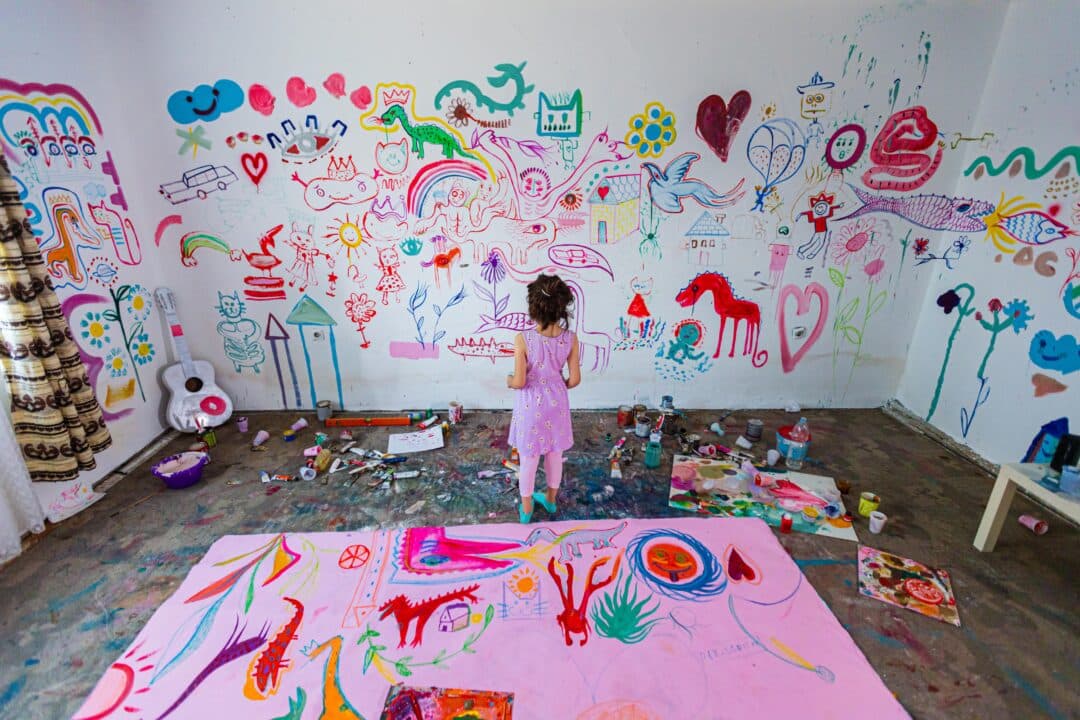

Inspiring Girls Bedroom Wall Art Ideas
Adding Charm and Creativity to Personal Spaces A girl’s bedroom is her sanctuary! Where dreams take flight and personalities blossom.
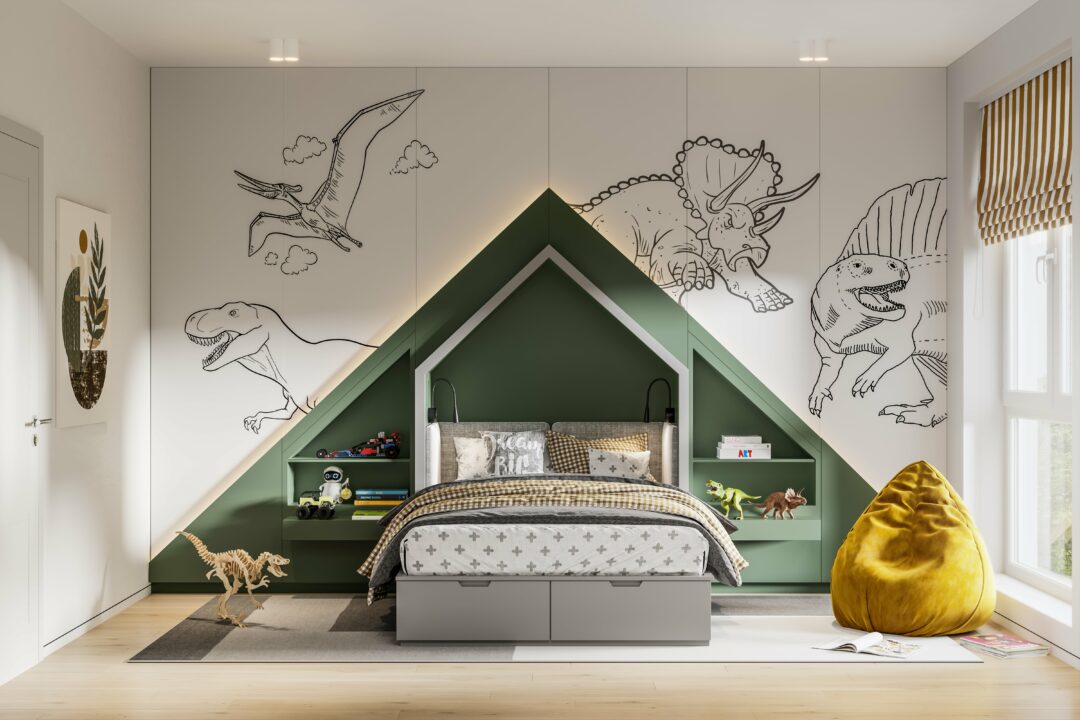
Cool Kids Bedroom Ideas that will Ignite their Imagination
In the heart of every child is an imaginative realm where dreams are born, adventures ensue, and the extraordinary feels


